
In my practice, I have talked with patients who seem to be allergic to literally “everything”. It makes it very difficult for these patients to find medications that can help their medical conditions. I used to think “How can a patient have so many allergies? What has happened to their immune system to create these allergies and sensitivities?” I didn’t understand what was going on with the patient and how they developed so many allergies.
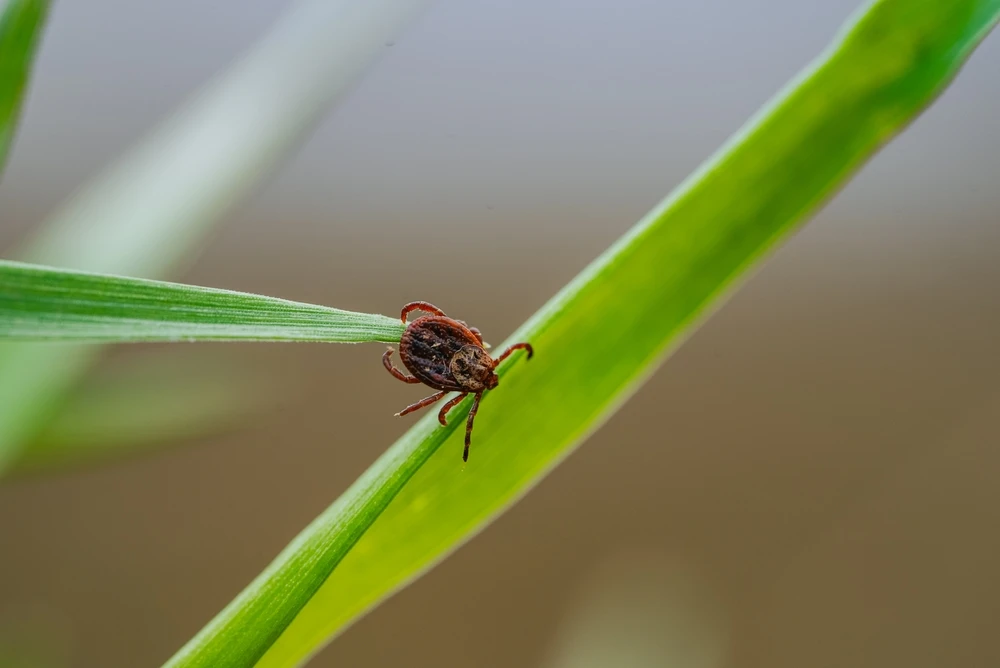
Over the past few years, I have become aware of a severe allergy called Alpha-Gal Syndrome (AGS). This syndrome is caused when a person is bitten by a tick and the tick injects its saliva into the blood stream. Although the Lone Star Tick is the most common culprit, all other ticks are increasingly implicated in causing this condition. When a tick bites a person, the tick releases galactose-alpha-1,3-galactose (commonly referred to as Alpha-Gal) into the patient’s blood. Sometimes the person’s immune system ramps up against Alpha-Gal in a dramatic way. This immune response may not show up immediately and it can be months or even years following the tick bite for the allergy to present itself. By then, most people will have forgotten the original tick bite and not be able to track the allergy back to the bite.
Alpha-Gal is a sugar product found in all non-human mammal tissue such as beef, pork. It is present in milk, gelatin and anything containing animal byproducts. It also has cross sensitivities to a common thickener called carrageenan.
Why does it take a tick bite to develop AGS and why can’t someone develop this syndrome by simply eating animal products? When you eat meat or animal products, your digestive system does a very good job breaking down the Alpha-Gal sugar/protein matrix into smaller molecules that do not trigger an immune response. However, when a tick bites, it injects the Alpha-Gal/protein matrix directly into the bloodstream. This large molecular complex sometimes triggers the body to produce a profound and violent immune response.
When a person with AGS consumes products containing Alpha-Gal, they can experience either systemic reactions or gut reactions, usually within about three hours. Systemic reactions can include hives, itching and swelling. Gut reactions can include diarrhea, abdominal pain, nausea and vomiting. In some instances, the person may experience anaphylaxis, a severe allergic reaction that causes difficulty breathing and can lead to death.

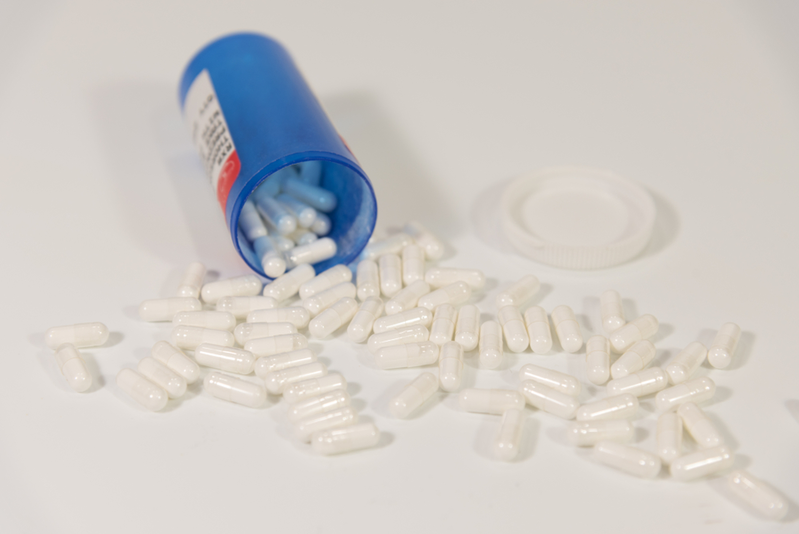
Most people with AGS know to avoid meat and dairy products. Less obvious sources of the Alpha-Gal sugar may be hidden and therefore more difficult to identify. 75 percent of medications contain mammalian derivatives including lactose, magnesium stearate, gelatin and shellac which may contain, at least, trace amounts of Alpha-Gal. Yet other products including most “biologics” medications, such as Enbrel, Keytruda, Dupixant and almost any medication you see advertised on television today, can contain Alpha-Gal. These medications are derived chinese hamster ovary (CHO) mammalian cell systems by genetic engineering. There may still be trace amounts of Alpha-Gal left in the product although an obvious offending agent is not listed on the official prescribing information. Last, a common thickening agent called carageenan also contains the Alpha-Gal epitope. Therefore people with AGS have to be careful even when eating non-dairy products, such as non-dairy ice cream, because the product most likely contains carrageenan. All of this combined could explain my original confusion i mentioned in the beginning of this article why some people had so many medication allergies. In some cases, it could be the inactive ingredients and not the medication itself.
Most healthcare professionals are unaware of this syndrome, what causes it and what medications to avoid. According to a Centers for Disease Control and Prevention report, 42%of 1,500 surveyed healthcare providers—including doctors, pharmacists, and nurse practitioners—had never heard of alpha-gal syndrome (AGS). Only 5% of respondents felt very confident in their ability to diagnose or manage the condition. Visit your local pharmacy and ask them if any of your medications have animal derivatives. After the blank star and the “are you kidding me look” they give you, you may understand the scope of the problem.
Here at Keystone Pharmacy we go beyond the traditional approach and treat each patient with the individualized care they need. If you think you are struggling with AGS and need help with your medications call us today 616-974-9792 reach out to us online at keystonerx.com.
In future blogs, I will cover testing for AGS, medication options for people with AGS, resources to help people use their medications more safely and potential therapies to help people overcome Alpha-Gal sensitivity.