

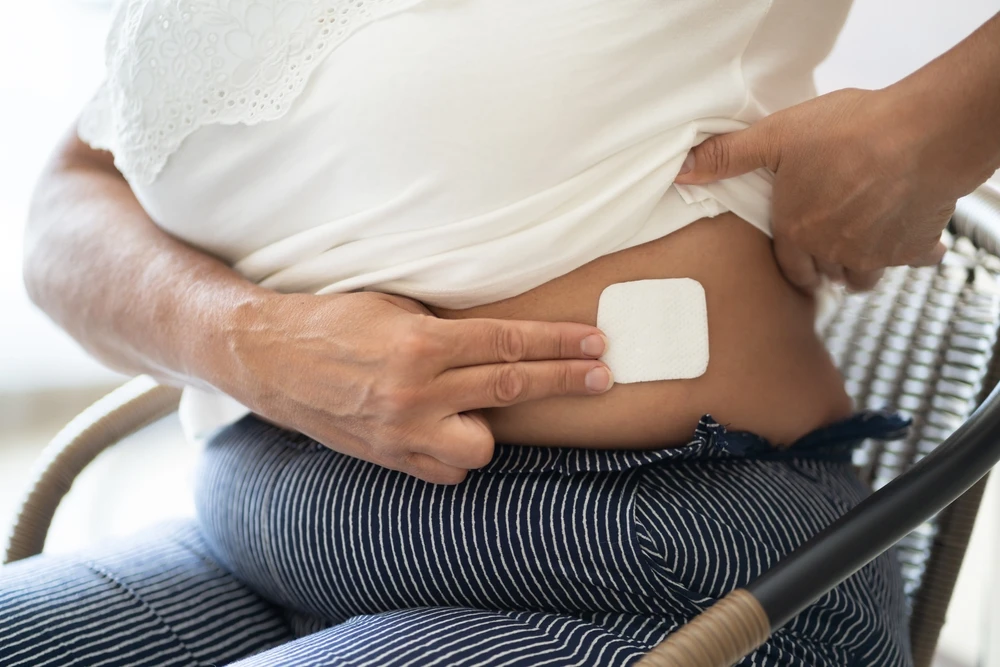
If you've been wearing an estrogen patch for a while, you may have hit a frustrating wall lately: pharmacies across the area are out of stock. Since June, the manufacturers that make these patches have had them on backorder, and nobody has a hidden supply tucked away. The good news is that you have real options. Here's a friendly rundown of what's happening and how to move forward.
Why can't I just find one somewhere?
It's tempting to start calling around town, but honestly, it's not worth your time. Every pharmacy sources the patch from the same one or two manufacturers, and right now everyone is in the same boat. Pharmacies are fielding hundreds of calls a day about this exact shortage, and no one has a secret stash. Your energy is better spent working with your doctor on a plan B.
So what should I do instead?
Reach out to your doctor about switching to a different therapy. You have two main paths: a different manufactured product, or a compounded medication made specifically for you.
Option 1: A different manufactured product
What you need depends on your symptoms — some people need estrogen throughout the body, while others only need it in a specific area.
- Whole-body treatment: options include estradiol gel (like Estrogel) or estradiol tablets.
- Vaginal atrophy or stress incontinence: options include estradiol vaginal cream or inserts (like Vagifem or Imvexxy).
Your doctor can help you figure out which dose and form fits you best. One nice perk of manufactured products: they're more likely to be covered by insurance.
Option 2: A compounded medication
Compounded medications are custom-made just for you, right in the pharmacy. They can be prepared as creams, dissolvable troches, suppositories, or capsules — giving you a lot of flexibility to match your body's needs.
A couple of honest things to know before you switch:
- They aren't FDA-approved and haven't gone through FDA review.
- They won't release into your body in quite the same way as the patch. A patch releases estrogen slowly over 3 to 7 days, while a cream absorbs more quickly — which is why some patients apply it twice a day to better mimic the patch's steady release.
- Dosing is an approximation, not an exact match — there haven't been studies directly comparing cream to patch.
A rough guide: patch to cream
If you and your doctor decide a compounded cream is the right move, here's a general starting point for the conversion. This is only a rough guide — your pharmacist can fine-tune it with you.
| Your Patch Strength | Compounded Cream Strength | How Much to Apply |
|---|---|---|
| 0.025 mg/24 hr | 0.25 mg/gram | ½ gram (1 pump) twice a day, or 1 gram (2 pumps) once a day |
| 0.0375 mg/24 hr | 0.375 mg/gram | ½ gram (1 pump) twice a day, or 1 gram (2 pumps) once a day |
| 0.05 mg/24 hr | 0.5 mg/gram | ½ gram (1 pump) twice a day, or 1 gram (2 pumps) once a day |
| 0.075 mg/24 hr | 0.75 mg/gram | ½ gram (1 pump) twice a day, or 1 gram (2 pumps) once a day |
| 0.1 mg/24 hr | 1 mg/gram | ½ gram (1 pump) twice a day, or 1 gram (2 pumps) once a day |
A note before you switch
This chart is meant as a starting point, not a prescription. Please talk with your doctor or pharmacist before making any changes to your regimen — they can help you land on the dose and form that's right for you.
Questions about your options? We're happy to help — give us a call and we'll walk through it with you.